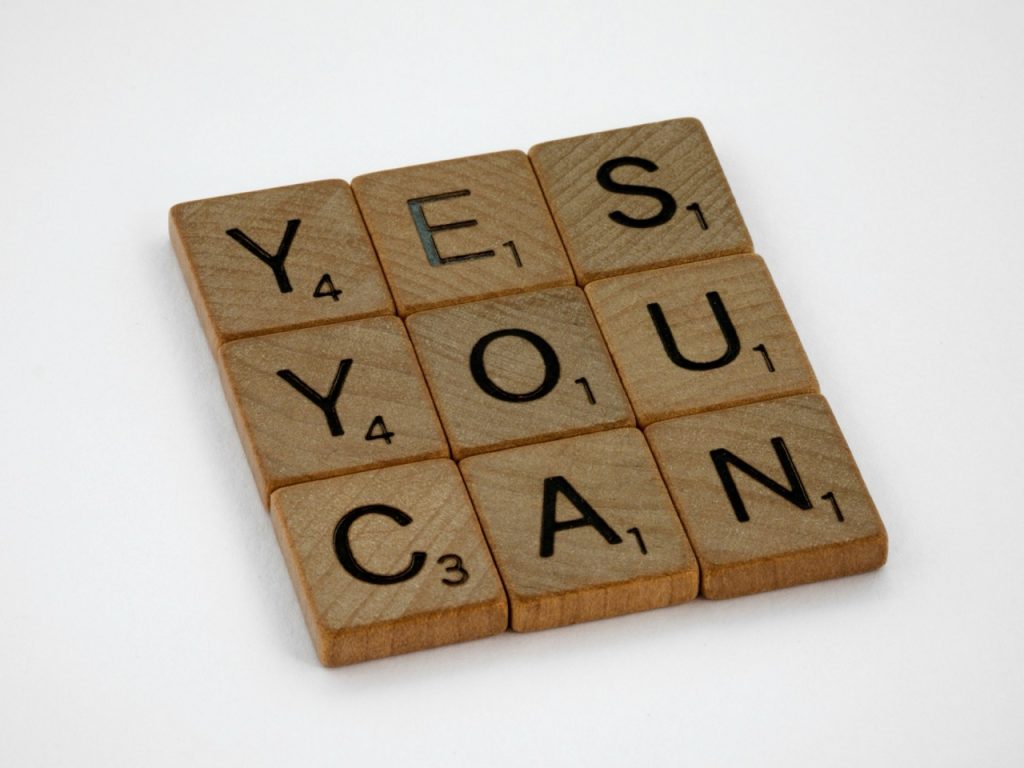
So many of us spend our lives quietly waiting—waiting for someone’s approval, waiting for the right moment, waiting to finally feel “allowed” to be who we really are. Yet the truth is, you never needed that permission in the first place. The world around you—its expectations, rules, and subtle judgments—often convinces you that authenticity is something to be earned. But being yourself isn’t about earning; it’s about remembering who you already are. This article explores why you don’t need external permission to be yourself, and how doing so can ease anxiety, strengthen confidence, and deepen your connection to others.
The Quiet Trap of Waiting for Others’ Approval
It’s easy to fall into the belief that your decisions need validation. From a young age, we’re conditioned to seek praise—to make parents proud, win teachers’ approval, and fit neatly into social groups. Over time, this can become an invisible habit, where your sense of worth quietly depends on how others respond. You may start to ask, “Is this okay?” or “Will people like me if I do this?” before acting. This pattern reinforces anxiety and self‑doubt because your inner compass gets replaced by other people’s expectations.
Waiting for approval often leads to emotional exhaustion. When you rely on external validation, your emotional state becomes fragile, swinging with every compliment or criticism. You might edit your words, hide your interests, or suppress your emotions just to keep the peace. The cost is subtle but heavy—authentic expression becomes something you rarely trust yourself with. Over time, this can create chronic tension and a constant fear of rejection.
Breaking this trap begins with awareness. Notice when you seek approval before listening to yourself. Ask gently, “What do I actually want right now?” or “How do I feel about this?” These small moments of self‑inquiry help you reconnect to your own opinions, values, and boundaries. Replacing external permission with internal curiosity is the first step toward freedom.
How Self‑Permission Frees You from Constant Fear
Giving yourself permission means allowing your thoughts, feelings, and choices to matter—without requiring external endorsement. When you practice this, you begin to loosen the grip of fear. Fear of judgment, fear of being misunderstood, and fear of failure lose power because you’re no longer outsourcing your self‑worth. Instead of waiting for someone else to validate you, you start to realize that your internal sense of approval is enough. That shift can completely change how you show up in daily life.
Psychologically, self‑permission lessens anxiety by giving your nervous system a signal of safety. The body relaxes when it senses that you are not in conflict with yourself. You no longer feel trapped between who you are and who you think you’re supposed to be. Research in self‑compassion and mindfulness supports this: when people practice accepting themselves as they are, levels of self‑criticism and stress drop significantly. This isn’t indulgent—it’s essential emotional maintenance.
You can begin today by practicing small permissions: allow yourself to rest when you’re tired, to speak honestly even when it feels uncomfortable, or to say “no” without apology. The power of self‑permission grows through repetition. The more you affirm that you are allowed to exist as you are, the less fear controls your decisions.
Building Confidence Through Small Acts of Authenticity
Confidence doesn’t appear overnight. It grows each time you choose authenticity over approval. Small acts—like admitting you don’t know something, dressing the way that feels right for you, or expressing a personal boundary—are not insignificant. Each one sends a message to your mind that being yourself is safe. Over time, these accumulated experiences build a quiet but steady form of inner confidence that no one else can give or take away.
The key is to start small enough that you don’t overwhelm yourself. If social anxiety makes being open feel risky, focus on one low‑stakes act of authenticity per day. It might be sharing a genuine opinion with a trusted friend, or allowing yourself to laugh when something truly delights you. These moments rewire the brain’s expectation of judgment by pairing authenticity with safety and acceptance.
Another helpful technique is reflective journaling. Write about moments when you felt most “you,” no matter how simple they seem. Revisit those experiences often—they become your evidence that authenticity doesn’t harm you; it nourishes you. As your confidence grows, you’ll notice that you begin to rely less on others for reassurance and more on your own sense of alignment.
Living Unapologetically While Staying Compassionate
Living unapologetically doesn’t mean dismissing others’ feelings; it means owning your truth while still being kind. True authenticity blends courage with empathy—you can honor your boundaries and still listen with compassion. In fact, when you stop performing to please others, your connections become more genuine. People start to relate to who you actually are, not a polished version trying to meet expectations.
There will always be people who misunderstand or disapprove of your choices. The goal isn’t to avoid that discomfort but to navigate it gracefully. Responding calmly instead of defensively keeps you grounded. Remind yourself that disagreement is not rejection—it’s simply diversity in perspective. When you trust yourself, you no longer need to convince others to see things your way. You simply live your truth and let your actions speak.
Being compassionate toward yourself and others creates balance. It allows you to stand in your authenticity without turning it into rigidity or rebellion. You become an example that being oneself doesn’t require arrogance—only acceptance and gentle courage. By staying open‑hearted, you demonstrate that authenticity and kindness can coexist beautifully.
You were never meant to live your life waiting for external permission slips. The freedom to be yourself has always been inherent—it’s your birthright, not a privilege someone grants you. As you practice listening to yourself, honoring your boundaries, and living with compassion, you’ll find that authenticity is not only safer than you feared—it’s richer, calmer, and far more fulfilling. Being yourself is not an act of defiance. It’s an act of deep respect for the life that is uniquely yours.