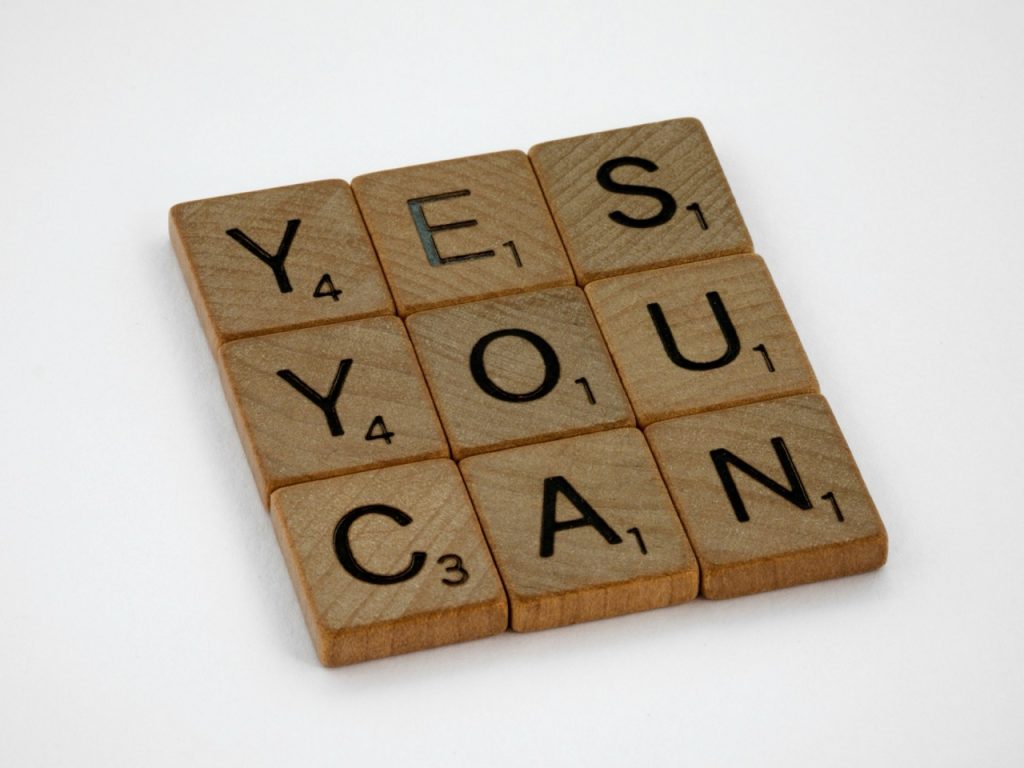
Reclaiming your natural expression is not about becoming someone new—it’s about remembering who you already are when fear, self-doubt, and comparison fall quiet. Many of us learn to hide our authentic selves behind polite smiles or carefully curated images, especially when we’ve been judged, shamed, or misunderstood. Over time, this protective pattern can make us feel disconnected from our inner truth. The good news is that authenticity isn’t lost—it’s simply waiting beneath the layers of expectation and anxiety.
This article explores how to return to that grounded, open state of natural self-expression. You’ll learn how to recognize the blocks that silence your inner voice, listen again to your body’s authentic signals, release fear and self-criticism, and make daily choices that align with your true self. These reflections are not quick fixes but compassionate invitations to come home to yourself—at your pace, in your way.
Understanding What Blocks Your Natural Expression
The first step to reclaiming your natural expression is understanding why it feels stifled in the first place. Most of us internalize messages early in life about how we “should” act—what’s acceptable, attractive, or safe to reveal. These learned behaviors shape our self-image and often lead to subtle forms of self-censorship. For example, you might hesitate to speak in a meeting, fearing your words aren’t good enough. Or you might hold back laughter, believing it’s “too loud” or “too much.” These small acts of suppression accumulate, creating an invisible cage built from years of perceived judgment.
A significant part of this conditioning stems from the human need for belonging. Studies in social psychology show that we often adjust our behavior to maintain acceptance within our social circles. While that instinct can protect relationships, it can also cost us peace of mind when authenticity feels unsafe. Recognizing these pressures isn’t about blaming others—it’s about gaining awareness of the patterns that quietly dictate our choices.
When you begin to see these patterns clearly, compassion must come before change. Instead of criticizing yourself for being “inauthentic,” understand that your self-protective habits formed for a reason. They helped you survive emotionally. Acknowledging this truth creates the gentleness required for healing. From this understanding, space opens for new ways of being—ones that honor your feelings, preferences, and voice without apology.
Reconnecting With Your Body’s Authentic Signals
Your body is always communicating, but many of us have learned to mistrust or overlook its messages. Anxiety, for instance, might cause you to disconnect from sensations—tight shoulders, a fluttering stomach, a held breath—that indicate where you’re holding tension or self-restraint. Reconnecting with those signals helps you notice when you’re shrinking, forcing, or hiding your true energy. Through simple mindfulness practices—like pausing to take a slow breath or scanning your body for areas of ease and discomfort—you begin rebuilding that lost dialogue between body and self.
Movement can be a powerful teacher in this process. Try gentle activities that allow spontaneous motion—stretching, dancing, walking outside, or simply noticing how your body wants to shift throughout the day. When you tune into these impulses with curiosity instead of control, your expression naturally becomes freer. The point isn’t performance or appearance—it’s presence. Expression flows most easily when the body feels safe enough to soften.
Trusting your body’s wisdom also means allowing emotions to move through it without judgment. A shaky voice or teary eyes isn’t a sign of weakness—it’s a sign of life. Emotions are energy in motion; when suppressed, they create tension and disconnection. When welcomed, they restore aliveness. By listening to your body—its needs for rest, movement, nourishment, or stillness—you create the inner safety that lets authentic expression re‑emerge naturally.
Releasing Self‑Judgment and Fear of Being Seen
One of the largest barriers to natural expression is the internal critic—the voice that says, “You’ll embarrass yourself,” or “No one wants to see that.” This voice often echoes old experiences of being judged or misunderstood. Instead of trying to silence it through force, a more compassionate approach is to listen and reassure it. That inner critic usually wants protection, not punishment. By responding with understanding—“I hear you, but it’s safe to be me now”—you begin to loosen its grip.
Psychological research shows that self-compassion reduces anxiety and supports emotional resilience more effectively than harsh self-discipline. Practicing kindness toward yourself when you feel vulnerable signals the nervous system that you’re safe. Tools like journaling, therapy, and guided meditation can help you explore these fears gently. The aim isn’t to erase fear altogether but to create enough kindness within you that fear no longer runs the show.
Remember: being seen does not require perfection. In fact, authenticity often moves others more deeply than polished performance ever could. When you show up as you are—with trembling hands, imperfect words, and genuine intent—you model courage. Every small act of self-acceptance chips away at the illusion that you must hide to be loved. Over time, what once felt terrifying slowly becomes liberating.
Practicing Everyday Choices That Restore Freedom
Reclaiming natural expression isn’t a one-week transformation—it’s built from ordinary, consistent choices. Start with moments that feel low-risk: wearing clothes that truly reflect your taste, speaking your opinion kindly but clearly, or allowing yourself to laugh without restraint. These small expressions signal to your nervous system that authenticity is safe again. Over time, your confidence expands, and what once felt unnatural becomes your new normal.
Building supportive environments also matters. Surround yourself with people who encourage honesty and affirm your full self, not just the polished version. Limit exposure to spaces where constant comparison fuels self-doubt—whether online or in person. When you practice being real with those who value your authenticity, you strengthen self-trust and disarm the anxiety of being judged.
Finally, celebrate progress rather than perfection. Each day that you honor your truth—even in tiny ways—contributes to a quieter mind and a freer spirit. This process isn’t about becoming fearless but about choosing expression over suppression, curiosity over criticism. When you live from that place of gentle courage, you don’t have to perform your life—you get to live it fully.
Reclaiming your natural expression is a gradual unfolding—a reunion with the parts of you that have been waiting patiently to be heard. It begins with awareness, nourishes through self-compassion, and blossoms in daily acts of honesty and presence. The more you practice showing up as your real self, the more peace and ease you’ll find within.
You were never meant to be perfect; you were meant to be whole. Each moment of genuine expression is a quiet act of freedom, a reminder that you are safe to be exactly who you are. When fear whispers that you must hide, may you meet it with gentleness—and choose, again and again, to express the unguarded truth of your being.